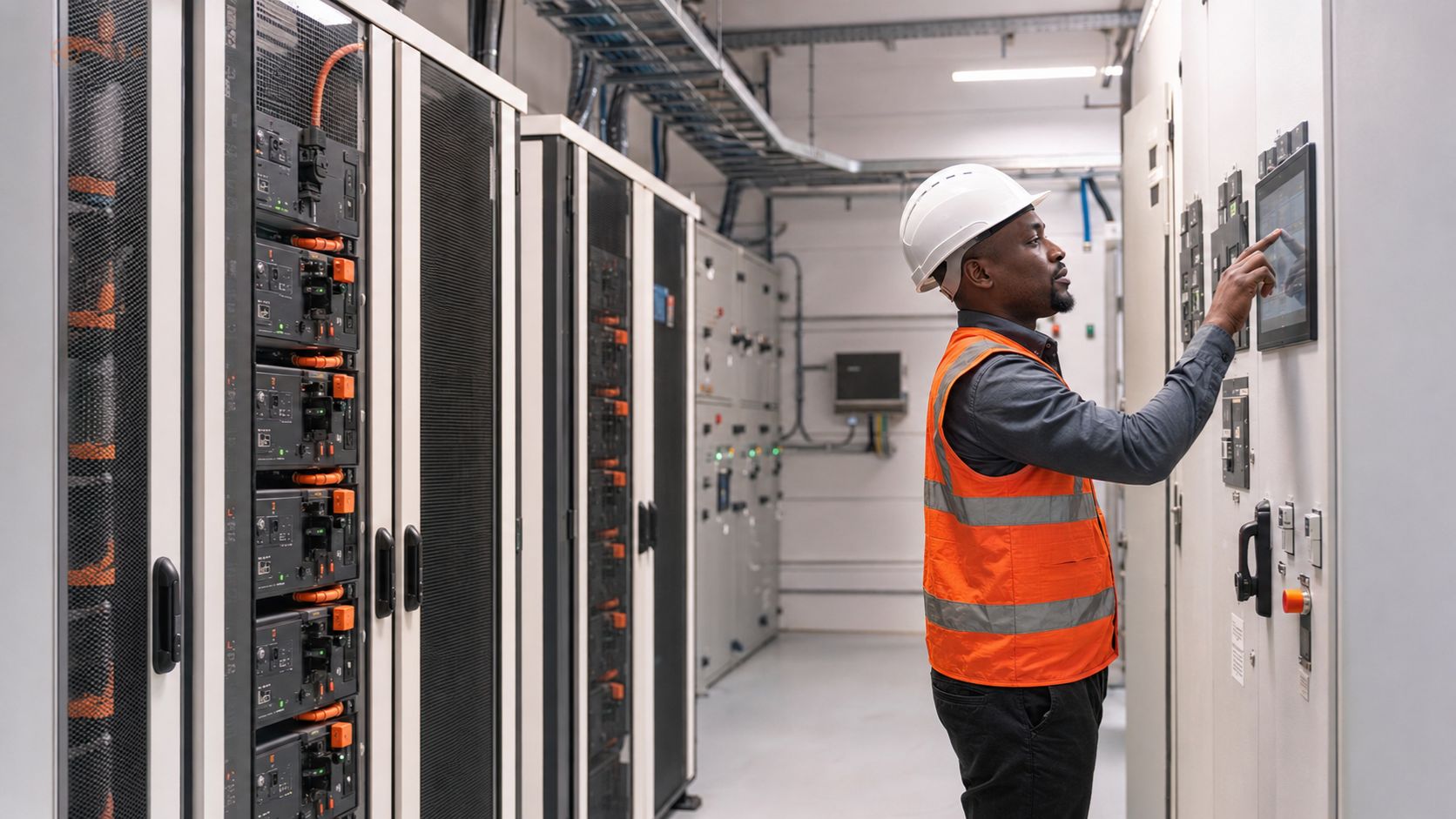
Age is only one reason to upgrade switchgear. Capacity, condition, protection performance, spare-parts availability and safety also matter.
Switchgear controls, isolates and protects electrical circuits. When it is correctly specified and maintained, it supports safe operation and limits the impact of electrical faults. When equipment is deteriorated, overloaded or poorly coordinated, the risk of outages, equipment damage and unsafe intervention increases.
An upgrade decision should be based on evidence rather than appearance alone. The objective is to understand whether the existing installation can continue supporting the facility safely, reliably and economically.
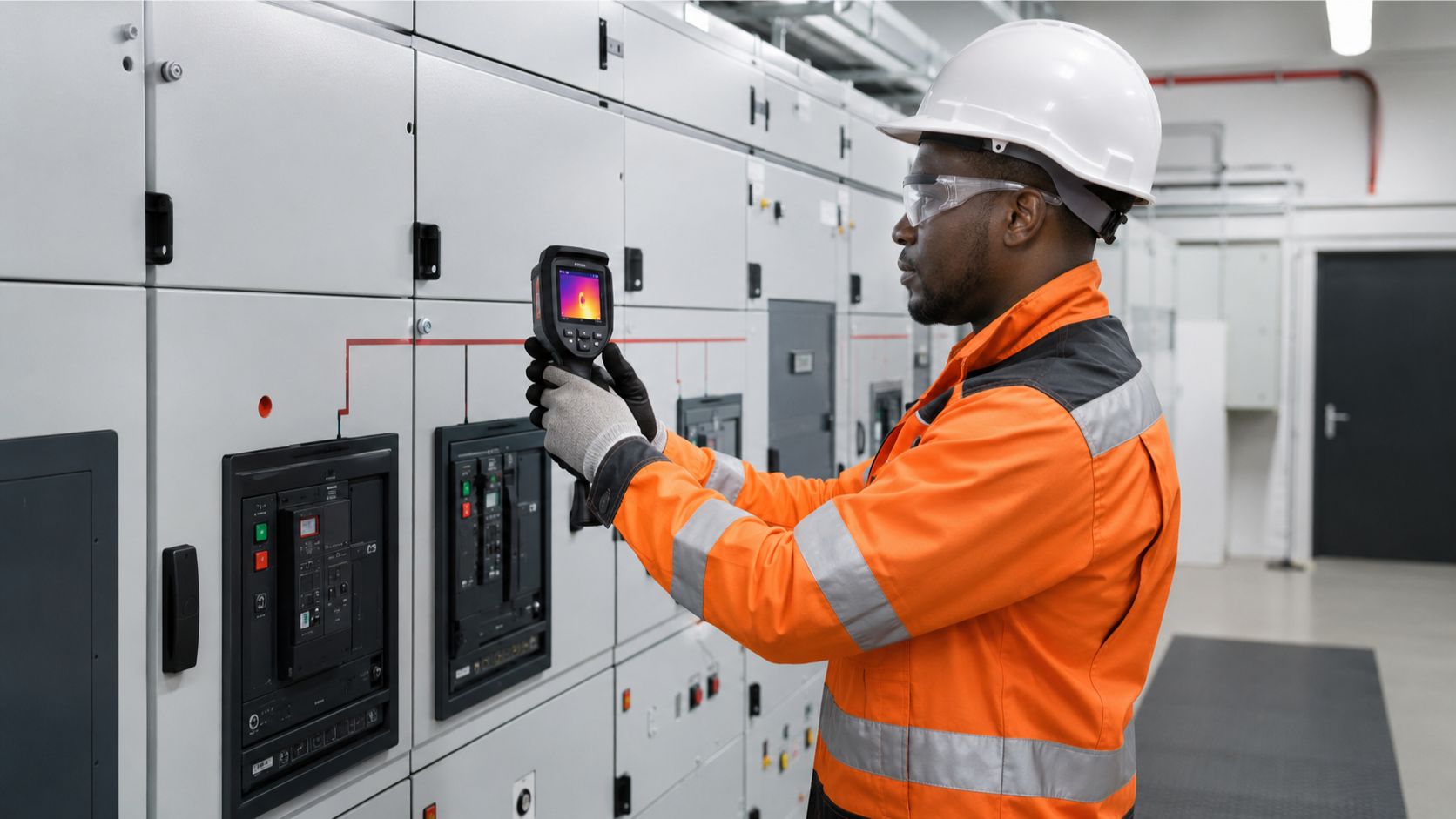
Repeated tripping, overheating, unusual noise, burning smells, visible corrosion, damaged insulation and rising maintenance frequency all justify investigation. Thermal imaging, insulation tests, breaker timing tests and protection reviews can reveal problems that are not visible during a routine walk-through.
Any sign of arcing, smoke or exposed live parts requires immediate control by qualified personnel. Do not open or work on energized switchgear unless an approved safety procedure and competent team are in place.
New production equipment, air-conditioning loads, EV charging, data centre infrastructure or building expansion can change the demand placed on the distribution system. Existing switchgear may no longer have sufficient current rating, fault withstand capability or spare capacity.
A load-flow and short-circuit study can establish whether the system remains within its design limits. It can also identify where protection settings or conductor sizes need to change.
Protection devices should isolate the affected part of the network while allowing healthy sections to remain operational where possible. Changes made over many years can disturb this coordination. Incorrect settings may cause unnecessary shutdowns or fail to clear faults quickly enough.
A protection-coordination study reviews breaker and relay performance across the network. Modern protection devices may also provide better measurement, event recording and remote monitoring.
Older equipment may remain serviceable, but obsolete components and unavailable manufacturer support increase recovery time after a failure. If technicians cannot obtain compatible breakers, relays or accessories, one incident can create a prolonged outage.
In some cases, refurbishment or retrofit may be appropriate. In others, a phased replacement provides better long-term value. The choice should consider equipment condition, operational criticality, outage windows and the expected life of the facility.
A planned upgrade allows time for engineering studies, procurement, shutdown coordination, temporary supply arrangements, testing and operator training. Emergency replacement usually provides fewer choices and creates more disruption.
Begin with an electrical condition assessment and an updated single-line diagram. The resulting risk-based plan can prioritize urgent defects while scheduling lower-risk replacements around budgets and operating requirements.
Talk to GEMIN Concerned about aging or overloaded switchgear? Ask GEMIN to assess your electrical distribution system and develop a practical upgrade roadmap. Contact: info@gemintz.com | www.gemintz.com |

GEMIN combines engineering expertise, technology partnerships and disciplined execution to deliver reliable infrastructure across energy and digital systems.