Battery storage can keep critical operations running through outages, voltage disturbances and generator transitions. Here is how to assess its business value.
Power interruptions affect far more than lighting. They can stop production lines, interrupt payment systems, disrupt communications, compromise data availability and delay customer service. For banks, manufacturers, telecom operators, healthcare facilities and data centres, even a short outage may create operational and financial consequences.
Battery Energy Storage Systems (BESS) give organizations another layer of resilience. They store electrical energy and make it available when the grid, generator or another supply source cannot meet demand. When properly designed, battery storage can bridge short interruptions, support critical loads and improve the way a facility manages its available power sources.
A BESS can respond quickly when the primary power source fails. This rapid response helps maintain essential equipment while a standby generator starts or while another source is brought online. In some applications, the system can support selected loads for a defined period without generator assistance.
Battery storage can also help manage peak demand, smooth fluctuations from solar generation and reduce dependence on generators during short outages. The result is not simply backup power; it is a more coordinated energy strategy built around the organization’s operational priorities.
The first design question is not the battery size. It is which operations must remain available. Critical loads may include servers, network equipment, security systems, production controls, refrigeration, communications, payment systems or emergency lighting.
A load assessment should separate essential systems from equipment that can be shut down safely. This prevents unnecessary oversizing and directs the available stored energy toward the functions that protect revenue, safety and service delivery.
Required runtime depends on the reliability of the grid, generator-starting time, fuel availability and the consequences of an extended outage. Designers should also consider future expansion, daily load patterns, temperature, installation space, ventilation, fire protection and the battery technology selected.
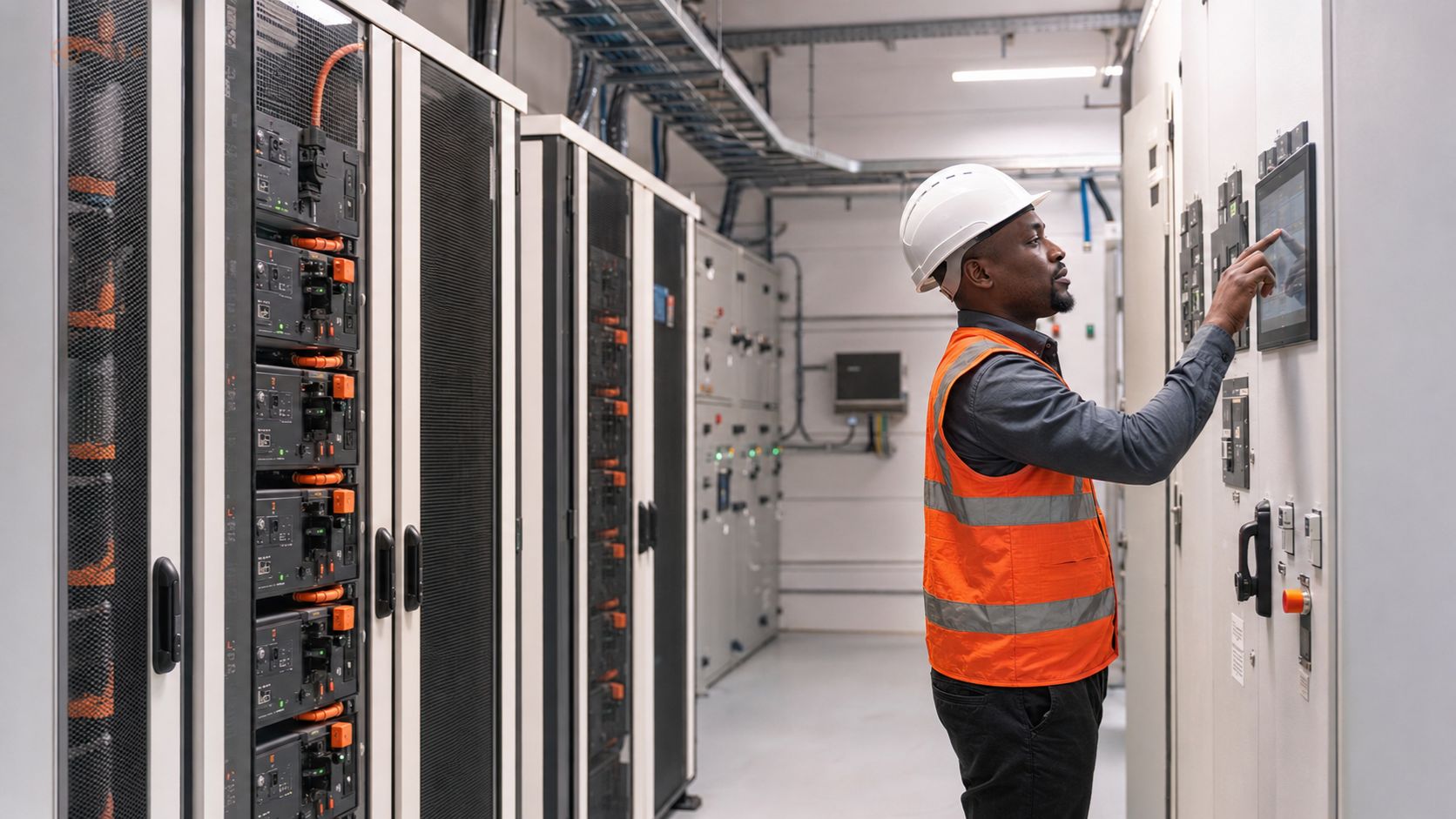
Battery capacity alone does not determine performance. Inverters, controls, switchgear, protection systems and integration with the existing electrical network must be engineered as one solution. Monitoring is also essential so operators can see battery status, alarms, energy flow and available runtime.
A dependable system needs more than installation. Preventive maintenance, firmware updates, inspection, performance testing and clear operating procedures help preserve availability. Teams should understand how the BESS interacts with solar PV, generators, utility power and critical distribution boards.
The strongest business case combines avoided downtime, lower generator use, improved power quality and better use of renewable energy. A qualified assessment can translate these benefits into a solution based on actual loads and risk exposure.
Talk to GEMIN Need a battery storage solution designed around your critical operations? Talk to GEMIN about a site assessment and energy-resilience plan. Contact: info@gemintz.com | www.gemintz.com |

GEMIN combines engineering expertise, technology partnerships and disciplined execution to deliver reliable infrastructure across energy and digital systems.