
True data centre resilience comes from coordinated power, cooling, connectivity, controls and operational discipline—not from one piece of equipment.
A resilient data centre continues supporting critical digital services when individual components fail or operating conditions change. That outcome cannot be achieved through servers alone. It depends on how power, cooling, connectivity, fire protection, physical security, monitoring and operational processes work together.
Organizations should therefore evaluate the data centre as an integrated facility. A weakness in one subsystem can affect every application and user that depends on it.
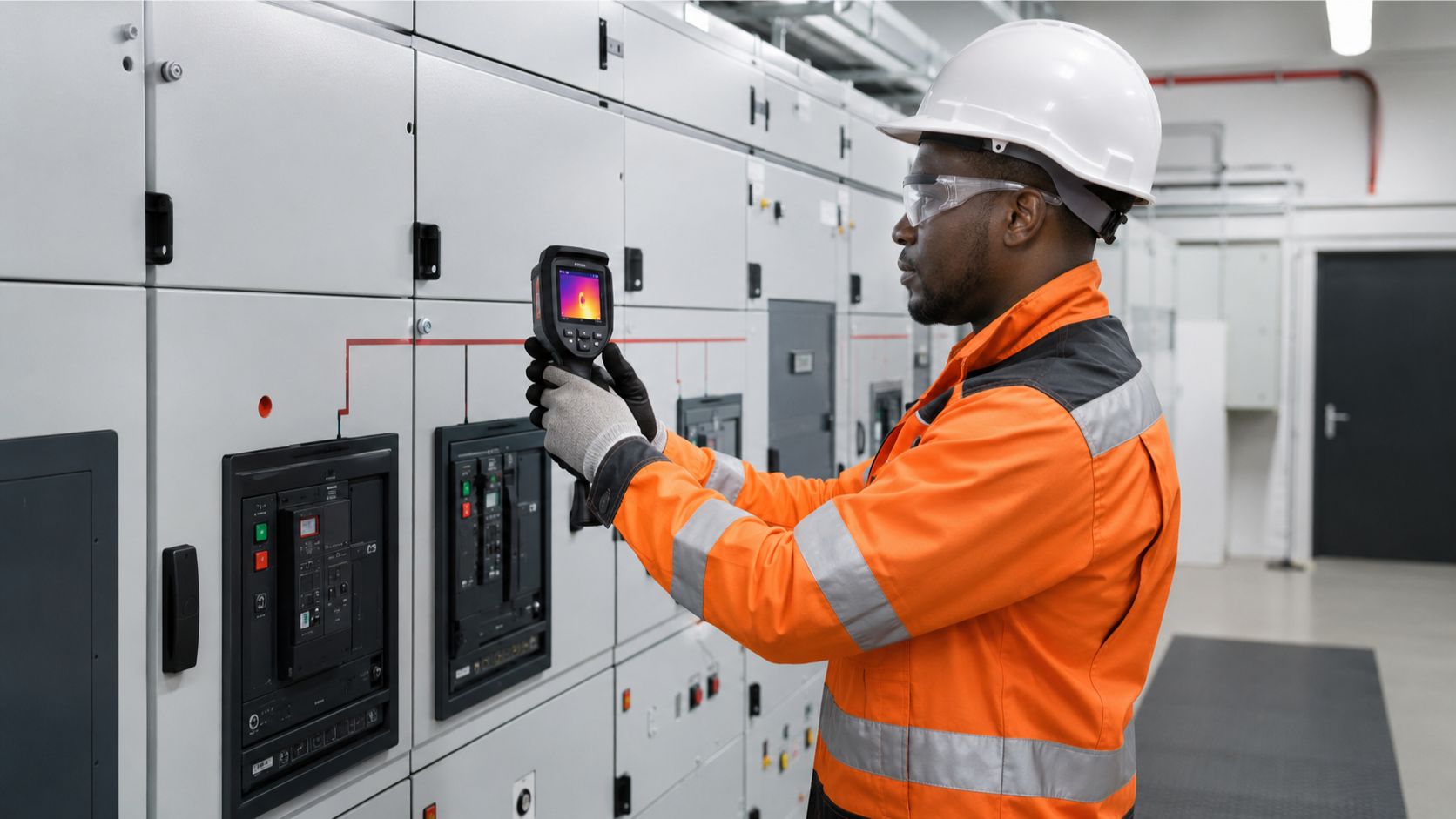
The electrical design should provide stable power to critical ICT loads and allow equipment to be maintained safely. Depending on the business requirement, this may include utility supply, generators, UPS systems, battery storage, transformers, switchgear, automatic transfer arrangements and properly coordinated protection.
Redundancy should match the required level of availability. Adding duplicate equipment without considering distribution paths, common failure points and maintenance procedures can create complexity without delivering meaningful resilience.
Servers convert electrical power into heat. If that heat is not removed consistently, equipment performance and life can be affected. Cooling design should account for rack density, airflow management, equipment layout, environmental conditions and future growth.
Temperature and humidity monitoring, leak detection and planned maintenance help teams identify problems before they become service interruptions. Efficient cooling also reduces the facility’s operating cost and energy burden.
A resilient facility needs dependable internal and external connectivity. Fiber routes, structured cabling, network equipment and service-provider links should be planned to reduce single points of failure. Documentation and labeling make fault isolation and expansion easier.
Physical access control, surveillance and visitor procedures protect critical spaces, while cybersecurity controls protect the systems and data they host. These disciplines should be coordinated rather than managed as unrelated projects.
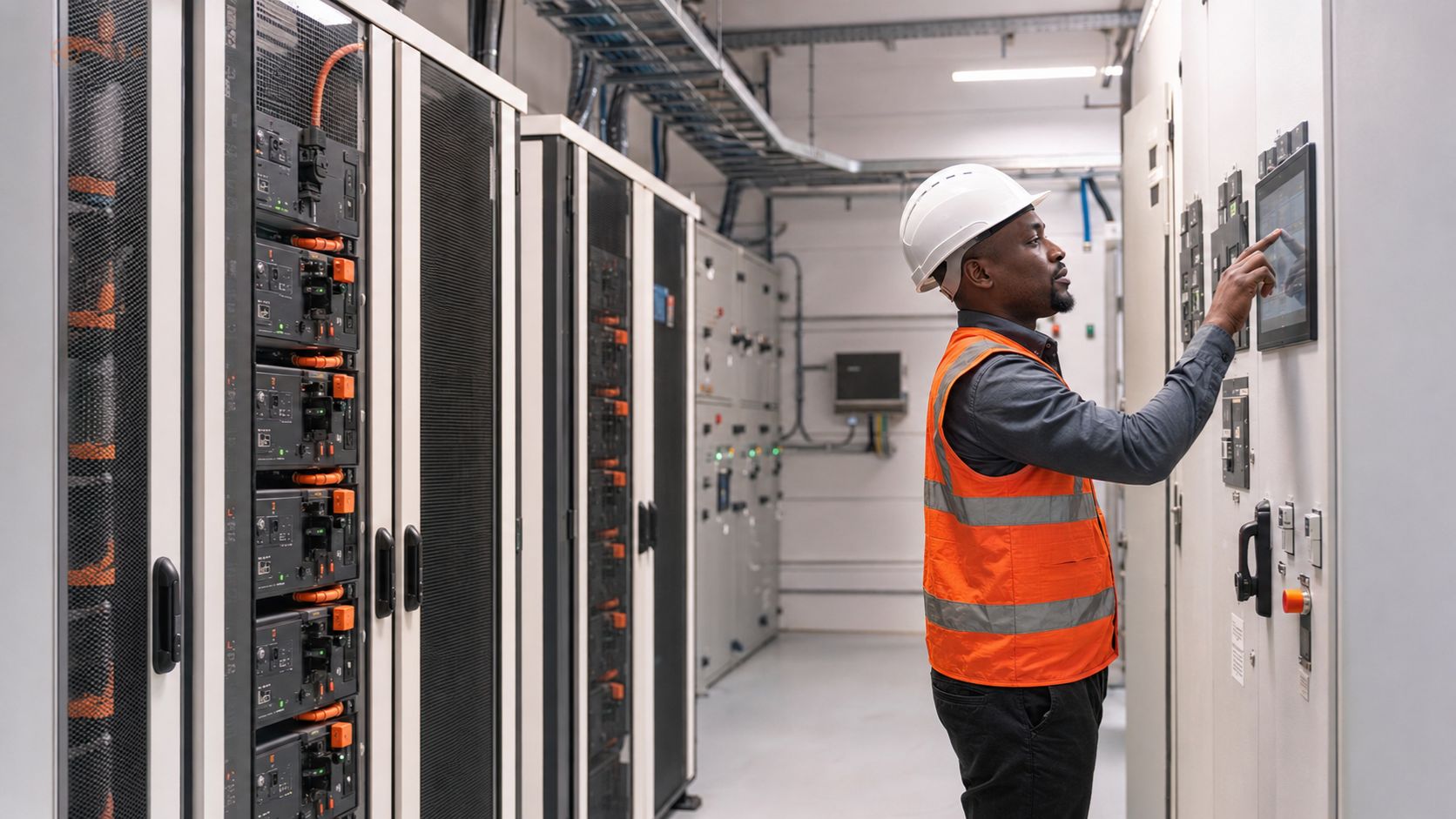
Real-time monitoring gives operators visibility into power, cooling, alarms, energy use and environmental conditions. However, dashboards do not replace tested procedures. Emergency responses, escalation routes, maintenance windows and recovery processes should be documented and rehearsed.
Resilience is proven through commissioning and regular testing. Integrated tests should confirm how systems behave during utility failure, generator transfer, UPS events, cooling alarms and communications loss. Findings should feed a continual improvement plan.
The right architecture depends on the services hosted, acceptable downtime, recovery objectives, regulatory obligations and available investment. A professional assessment converts those business requirements into an appropriate technical design without unnecessary complexity.
Talk to GEMIN Planning a new data centre or improving an existing facility? Contact GEMIN for an integrated resilience assessment covering power, cooling, connectivity, monitoring and security. Contact: info@gemintz.com | www.gemintz.com |

GEMIN combines engineering expertise, technology partnerships and disciplined execution to deliver reliable infrastructure across energy and digital systems.